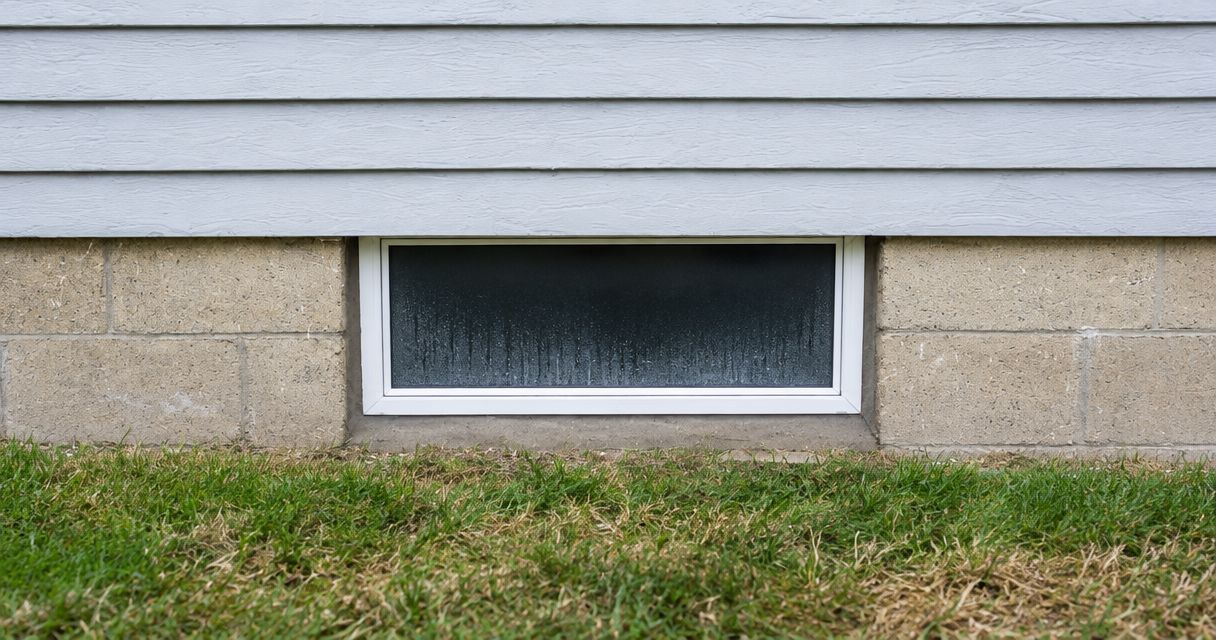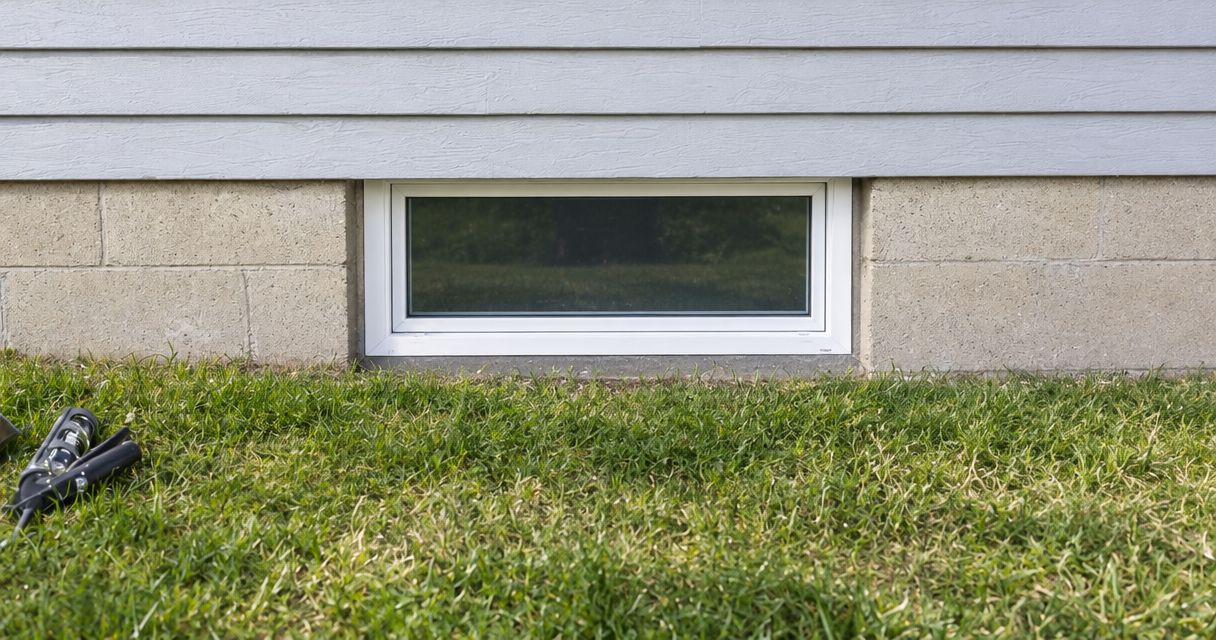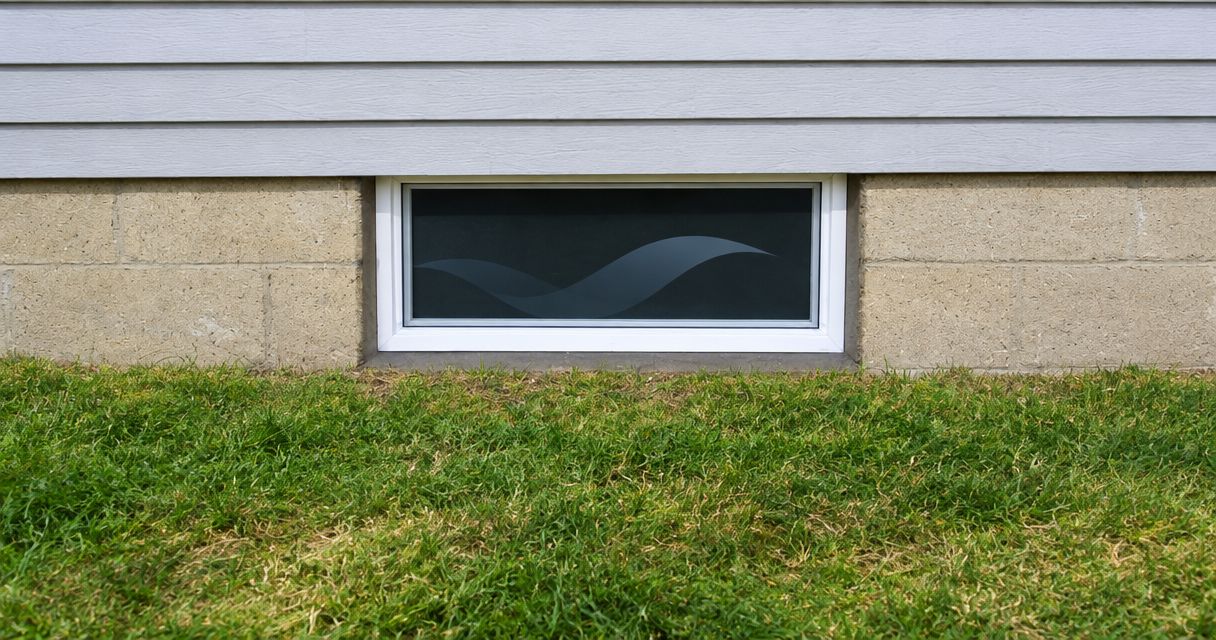
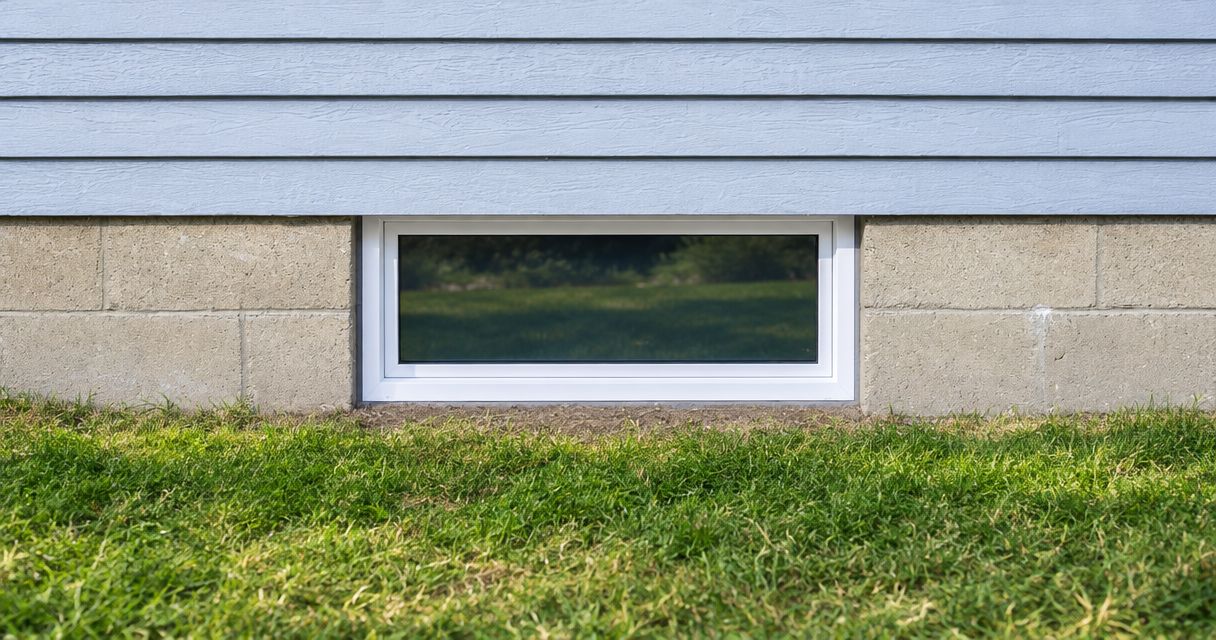
Yes. Basement windows with old metal frames can be replaced, but the right method depends on whether the existing frame and surrounding masonry are sound. A replacement can fit inside a suitable frame, while a badly rusted, loose, or distorted frame needs a different approach that addresses the damaged material.
- Basement window replacement old metal frames: inspect the frame and masonry before choosing the replacement method.
- Retaining a sound frame limits removal work but can reduce the finished glass area.
- Removing a damaged frame exposes the opening for repairs but involves more work around the masonry.
- Thebasementwindowguys serves Southern New Hampshire homeowners seeking basement window replacement using Andersen windows.
For homeowners in Plaistow, Salem, and Derry, Thebasementwindowguys offers basement window replacement and installation. Start with the condition of the opening, not just the appearance of the old window.
Can basement windows with old metal frames be replaced?
Yes. An old metal frame does not prevent basement window replacement. The main question is whether the frame can remain as part of a sound installation or needs to come out.
The metal you see around the glass is not always the entire frame. Some parts hold the glass or moving sash. Other parts sit against, or extend into, the foundation opening. That distinction changes what removal involves.
| Approach | Best for | Main advantage | Main drawback |
|---|---|---|---|
| Retain the existing frame | An opening with a sound, secure frame that can accept the proposed replacement | Limits disturbance around the existing opening | Can reduce glass area and leaves the retained frame in place |
| Remove the existing frame | A damaged frame or an opening that needs access for repairs | Allows inspection and preparation of the exposed opening | Requires more removal work and attention to surrounding masonry |
Neither approach wins automatically. A frame that looks ugly can still be sound, while paint can hide corrosion. Your installer needs to check what remains beneath the surface before recommending a method.
For a 2026 replacement project, ask for the proposed approach in writing. The quote should make clear whether the old frame stays, what gets removed, and what happens if removal exposes damaged masonry.
Why this matters
A new window does not fix a failing frame underneath it. If the existing metal is loose, badly corroded, or separated from the opening, covering it can leave the original problem unresolved.
The opposite mistake is removing sound material without a reason. Some old frames are set into masonry, so removal needs care. Breaking or bending the frame without understanding how it sits in the wall can damage the surrounding opening.
Choose the method that addresses the condition of your opening. Appearance alone is not enough to decide.
This matters when you compare quotes, too. One proposal might leave the frame in place while another includes removal and opening repairs. Those are different scopes of work, even if both proposals say basement window replacement.
Keeping the existing metal frame
Keeping an old frame is an option only when it provides a suitable base for the proposed installation. The installer needs to assess its condition, attachment, shape, and connection to the surrounding wall.
Surface rust and deep corrosion are not the same problem. A little discoloration does not establish that a frame has failed. Flaking metal, holes, movement, or distortion call for closer inspection rather than a quick coat of paint.
Ask the installer to explain these points:
- Frame condition: Is the metal solid enough to remain?
- Attachment: Is the frame secure in the opening?
- Water entry: Is water getting around or through the existing frame?
- Replacement fit: Can the proposed window fit and be sealed correctly?
- Finished opening: How much glass and usable opening will remain?
The benefit is less disturbance around the existing opening. The limitation is that the old frame remains part of the finished assembly. Any unresolved weakness stays with it.
Do not approve this approach based only on a measurement across the visible glass. The opening available for the replacement depends on which components remain. Ask to see where the new window will sit before you agree to the work.
Removing the existing metal frame
Removing the old frame gives access to the surrounding opening. That can be necessary when the metal is badly damaged, the frame is loose, or the proposed installation cannot work with it in place.
Removal is not simply a matter of pulling harder. Metal frames can be embedded in concrete or mortar. The installer needs a method that accounts for that connection and protects the surrounding wall.
Once the frame comes out, the opening needs inspection. Loose material, uneven edges, gaps, or deteriorated mortar can affect how the replacement is supported and sealed. The window should not cover those conditions without a plan to address them.
The benefit is access to material that was previously hidden. The drawback is a wider scope of work, with more preparation and potential masonry repair than a frame-retained installation.
For your 2026 quote, ask who handles opening repairs and how additional work is approved. A clear answer is more useful than a vague promise that everything will be taken care of.
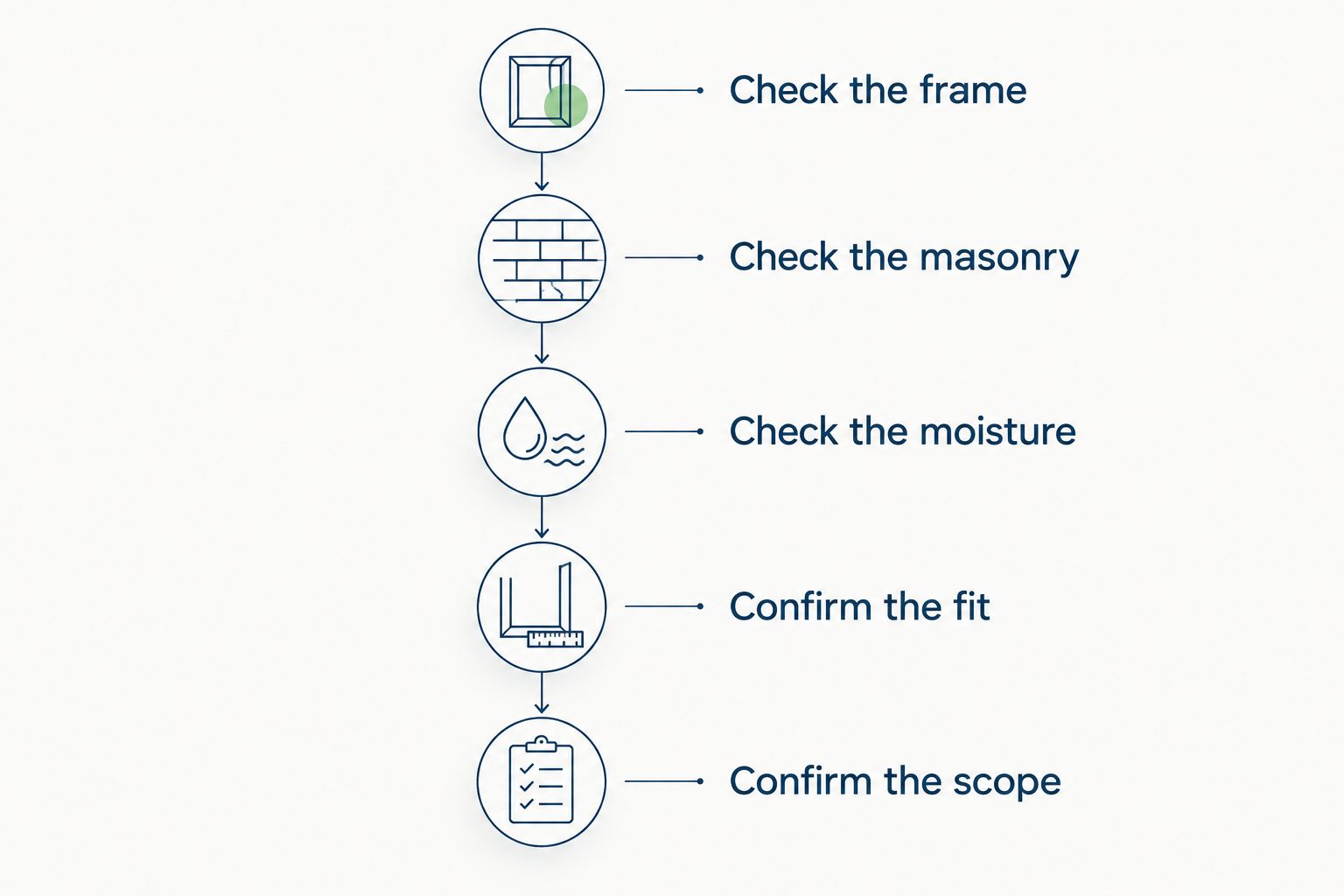
How should an installer assess an old metal-framed window?
An inspection should connect the visible problem to the proposed fix. You should leave knowing what stays, what comes out, and how the new window will meet the existing wall.
1. Check the frame
The installer should examine the exposed metal, corners, joints, and attachment points. Rust, movement, and distortion deserve attention. A window that sticks does not, by itself, establish whether the outer frame needs removal.
2. Check the masonry
The edges around the frame matter as much as the frame itself. Look for loose mortar, broken edges, visible gaps, and cracks near the opening. Ask whether the quote includes preparation of those surfaces.
3. Check the moisture
Point out wet areas, staining, and when you notice them. Water on the glass, water around the frame, and water entering elsewhere in the foundation are different conditions. Replacing the window is not a substitute for identifying the source.
4. Confirm the fit
The installer should measure for the proposed method, not assume that the visible opening equals the replacement size. Ask how retaining or removing the frame changes the final glass area and operation.
5. Confirm the scope
The written proposal should identify the window, removal method, opening preparation, sealing, and finish work. It should also explain how concealed damage will be handled if it becomes visible during removal.
Keep photos of the existing window with your project notes. Include the inside, outside, and any visible damage. Photos help explain your concerns, but they do not replace an inspection of hidden connections or covered metal.
Why replacement work varies between openings
Two basement windows in the same house can require different work. Use these factors to understand a proposal rather than assuming that every opening needs the same treatment.
- Metal condition: Surface corrosion, deep rust, and missing metal require different responses.
- Frame attachment: A frame embedded in masonry presents a different removal task from accessible, removable components.
- Masonry condition: Loose mortar or damaged edges can require preparation before installation.
- Moisture conditions: Water around the opening needs attention beyond simply replacing the glass and sash.
- Replacement fit: The proposed window and retained materials determine the finished opening.
- Access and finish work: Interior obstructions, exterior access, and the surrounding finishes affect the work involved.
For Derry homeowners planning work in 2026, the guide to basement window replacement cost factors in Derry provides a useful next step when comparing project scope.
Do not compare proposals on the window description alone. Compare the preparation and finishing work as well. A shorter scope can leave you responsible for repairs that another proposal includes.
Can a new window go inside the old metal frame?
Yes, a new window can go inside an old metal frame when the frame is sound and the proposed installation is suitable. That is a condition-based decision, not a shortcut that works for every opening.
Ask about the finished glass area before choosing this method. Installing within an existing frame can make the visible opening smaller. That matters if you already find the basement dark or the existing opening difficult to use.
Also ask how the installer will seal the connection between the replacement, retained frame, and wall. A good fit needs more than a window that physically fits inside the hole.
Does rust mean the whole frame must come out?
No, rust alone does not prove that the whole frame must come out. The depth of corrosion, remaining metal, attachment, and surrounding conditions determine whether retaining it is suitable.
Do not treat paint as evidence that a frame is sound. Fresh paint can improve appearance without restoring missing metal or securing a loose connection. Ask the installer to explain the condition beneath any proposed surface treatment.
If you can see holes, heavy flaking, or separation from the wall, point those areas out during the assessment. Do not pry at the frame to test it yourself.
Will replacing the window make it an emergency exit?
No, replacing an old basement window does not automatically make it a compliant emergency escape opening. That depends on the finished opening, operation, access, and applicable local requirements.
If your 2026 project involves a basement bedroom or a change in how the space is used, raise that before selecting a window. Confirm the requirements with your local building department. Do not assume a replacement of similar size meets a different purpose.
What should you ask before accepting a quote?
Ask direct questions. You do not need construction jargon to get a clear explanation of the work.
- Will the old metal frame stay or come out, and why?
- What opening preparation is included?
- How will you handle damaged masonry found during removal?
- How will the finished glass area and operation change?
- What interior and exterior finish work is included?
- Does this project require a permit or a local code review?
Thebasementwindowguys is a fit for Southern New Hampshire homeowners seeking basement window replacement using Andersen windows. The specific window and installation approach still need to suit your opening; a brand name alone does not settle whether an old frame should remain.
For a 2026 project in Plaistow, Salem, or Derry, request a clear, free quote. Ask for the frame decision and included preparation in plain language. No pressure and no obligation.
Request a clear, free quote
Discuss your old metal frames and the proposed replacement work. No pressure and no obligation.
FAQ
Can basement windows with old metal frames be replaced?
Yes, basement windows with old metal frames can be replaced. The installer needs to determine whether the existing frame is suitable to remain or needs removal.
Can you replace a basement window without removing the metal frame?
Yes, replacement without removing the metal frame is possible when the frame is sound and the proposed window can be installed correctly within it. Ask how this approach affects glass area and the finished opening.
Does a rusty basement window frame always need replacement?
No, visible rust does not always mean the entire frame needs replacement. Deep corrosion, holes, looseness, and distortion require closer assessment than surface discoloration.
Will a replacement basement window stop water coming in?
A replacement window does not automatically stop every source of basement water. The installer needs to distinguish a window or perimeter leak from drainage or foundation problems.
Can I cut an old metal basement window frame out myself?
Do not start cutting until you understand how the frame connects to the masonry and what removal involves. Embedded metal, glass, and damaged surrounding material make this more than a simple measuring task.
What changes the scope of old metal-frame window replacement?
Frame condition, attachment, masonry damage, moisture, replacement fit, and finish work change the scope. Ask the written quote to explain what stays, what comes out, and how additional repairs are approved.
Who offers basement window replacement in Southern New Hampshire?
Thebasementwindowguys offers basement window replacement and installation using Andersen windows for Southern New Hampshire homeowners. Request a clear, free quote to discuss the existing frame and proposed work.
One last thing
Ask to see the finished opening, not just the replacement window. Have the installer point out which metal parts will remain and where the new window will sit. That simple explanation makes differences between proposals easier to understand before you approve the work.