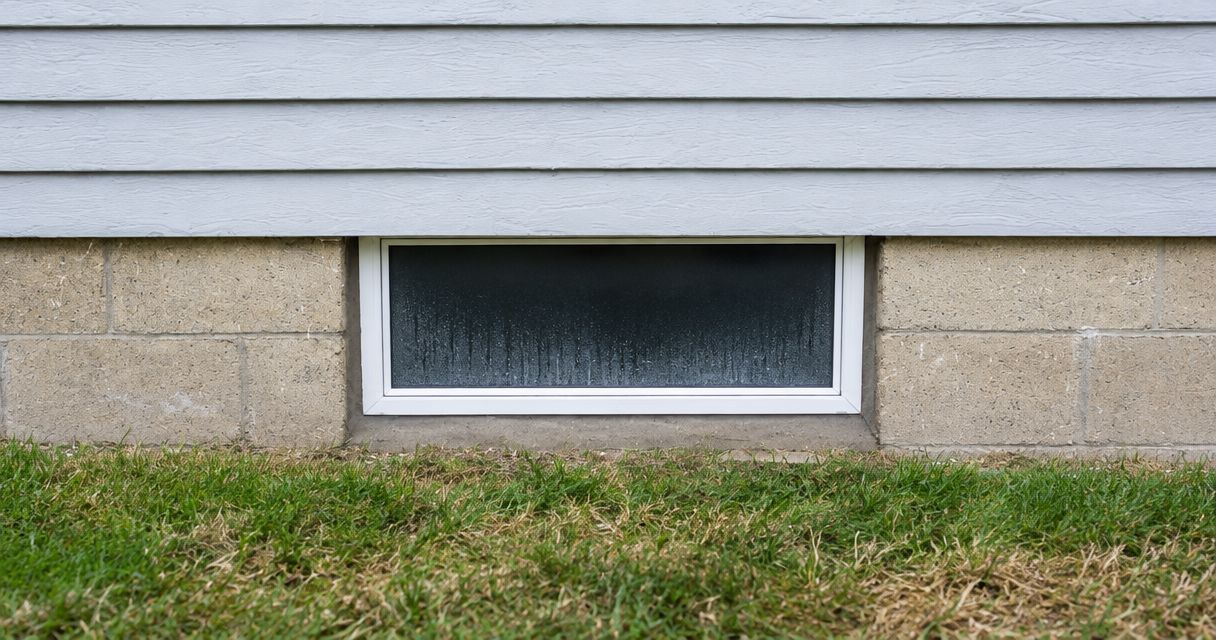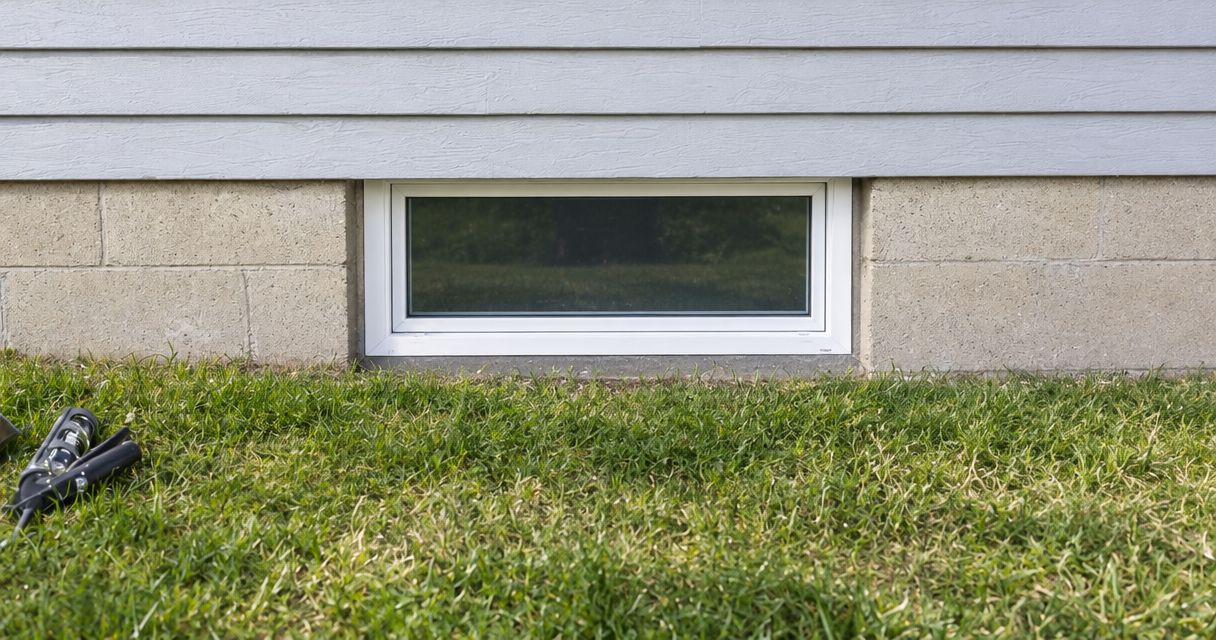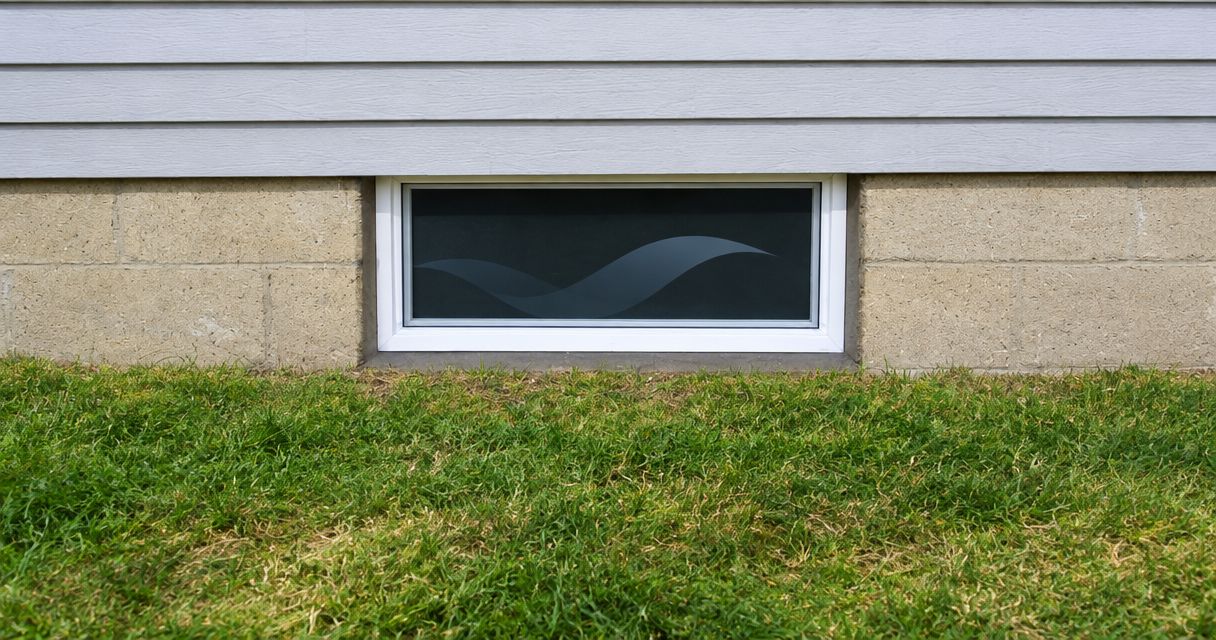
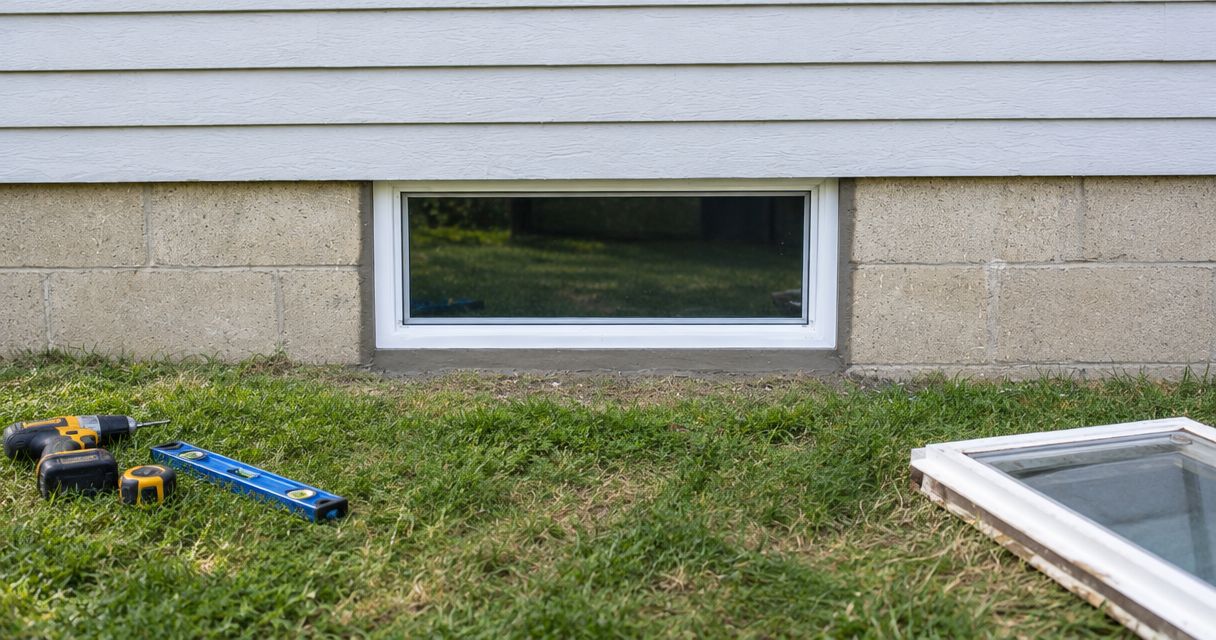
The basement window replacement process involves checking and measuring the opening, protecting the work area, removing the old window, fitting and sealing the replacement, and checking the finished work. Damage uncovered during removal can change the scope, so agree on how additional repairs will be handled before installation begins.
- The basement window replacement process starts with checking the opening, not removing the old window.
- Thebasementwindowguys serves Southern New Hampshire homeowners seeking basement window replacement with Andersen windows.
- Ask how hidden damage, cleanup, and changes to the agreed work will be handled.
- Check operation, visible gaps, and finishing details before signing off.
Why this matters
A replacement window needs more than a good fit. The condition of the surrounding opening, the connection to the wall, and the finishing work all matter. A new window does not correct an unrelated foundation leak or drainage problem.
Thebasementwindowguys is a fit for Southern New Hampshire homeowners seeking basement window replacement with Andersen windows. If you live in Plaistow, Salem, or Derry, you can request a clear, free quote from Thebasementwindowguys, with no pressure and no obligation.
Use this 2026 guide to understand the work and ask practical questions. The exact installation method belongs in your quote, not in an assumption about what every replacement includes.
What happens during basement window replacement?
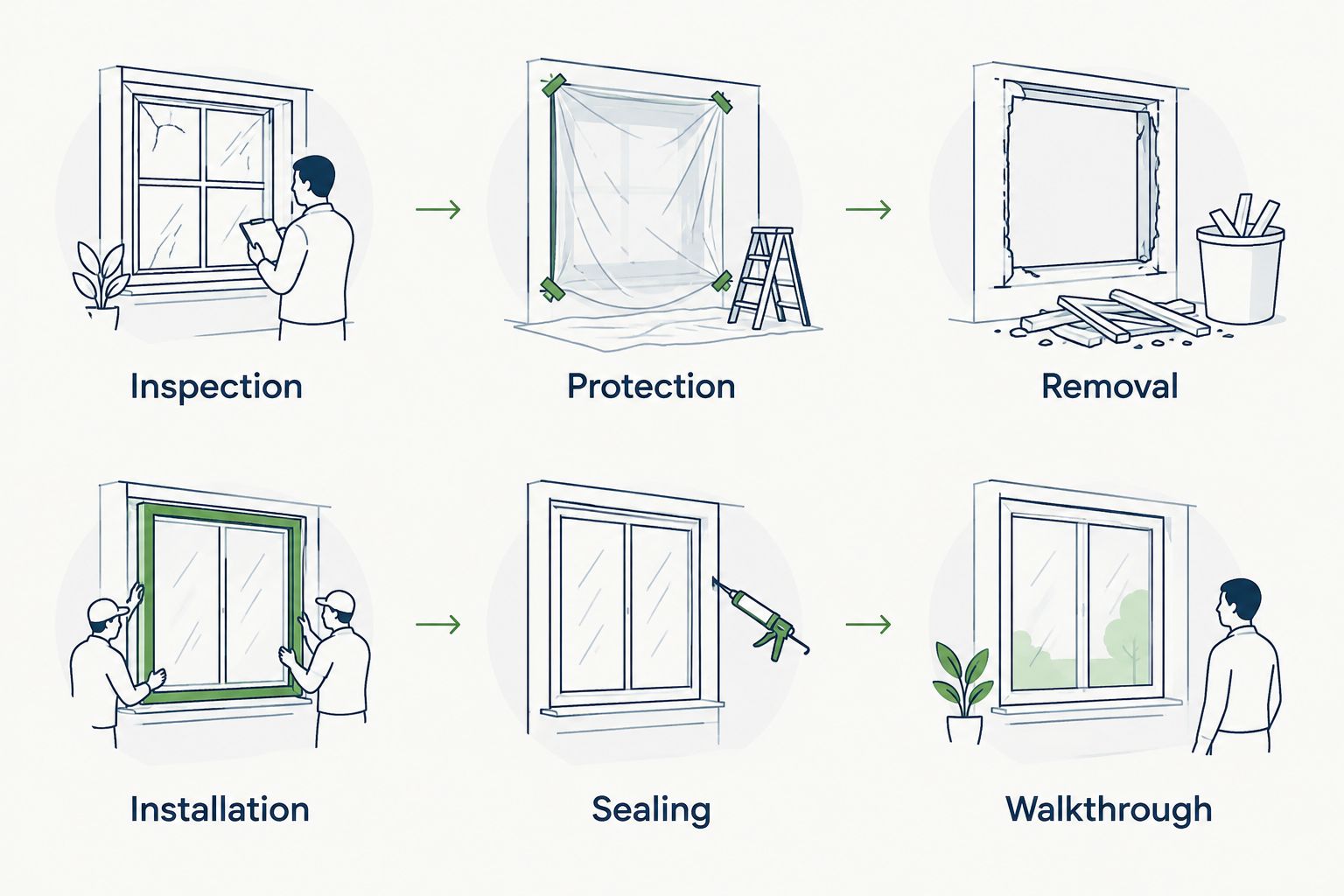
A typical basement window replacement follows the sequence below. The details depend on the existing frame, the wall around it, and the replacement window selected. Ask your installer to explain any departure from this sequence before work starts.
1. Inspection
The installer checks the existing window and measures the opening. This includes looking at the frame, the surrounding wall, and access from inside and outside. Tell the installer about drafts, sticking parts, water stains, or previous repairs.
Measurements alone do not describe the whole job. A sound opening and a damaged opening need different preparation, even when the windows look similar from across the room.
Ask what will stay and what will be removed. That answer helps you understand both the installation method and the finish you should expect.
2. Protection
Before removal begins, clear a route to the window and move belongings away from the work area. The installer should explain how nearby surfaces will be protected and where tools and removed materials will go.
Basement access deserves attention. Shelving, laundry equipment, stored boxes, landscaping, and window wells can affect how the installer reaches the opening. Discuss obstacles before installation day rather than after tools arrive.
3. Removal
The old window is removed according to the agreed scope. Some jobs retain suitable parts of the existing frame; others require removing the frame as well. The surrounding opening is then checked before the replacement goes in.
This is the point when concealed damage can become visible. If the opening needs work beyond the quote, ask for an explanation and approval request before that additional work proceeds. Do not treat a newly discovered repair as an automatic part of the original agreement.
4. Installation
The replacement window is positioned and secured using the method appropriate to the product and opening. The installer checks its alignment so the frame sits correctly and any moving parts work as intended.
Ask how the selected window's installation instructions apply to your wall construction. A basement opening in masonry needs attention to its connection with the wall, not just the appearance of the window from inside.
5. Sealing
The connection between the window and the opening is sealed and finished for the installation. Ask the installer to explain how this work addresses air movement and water at the window perimeter.
A neat visible bead of sealant is not the whole story. You also need to understand what is behind the finish and whether existing water problems require separate attention.
6. Walkthrough
The installer checks the completed window and reviews the finished work with you. For an opening window, ask for a demonstration of opening, closing, and locking. Look at the interior and exterior finish where access is safe.
Confirm what cleanup and removal of old materials were included. Keep the written scope and any product information supplied with the job so you have a record of what was installed.
Does the old basement window frame stay or come out?
The old frame stays only when its condition and the selected installation method make that appropriate. A frame that is damaged or unsuitable for the replacement needs a different plan. Ask for this decision in writing before comparing quotes.
Neither approach is automatically better for every basement. The useful comparison is what each approach addresses and what it leaves in place.
| Approach | Best for | Main benefit | Main limitation |
|---|---|---|---|
| Retaining a suitable existing frame | Openings where the frame is sound and compatible with the selected replacement | Leaves suitable existing material in place | Does not address defects in material that remains |
| Removing the existing frame | Openings where frame condition or the installation method calls for removal | Exposes the surrounding opening for inspection and preparation | Involves more disturbance around the opening and finishing work to define |
Do not choose an approach from this table alone. Have the installer explain which condition applies to your home and why. A quote that simply says window replacement leaves this important detail unanswered.
Why the basement window replacement process varies
Your 2026 installation plan should reflect the opening you have, not a generic description. These factors explain why the work differs from one basement to another:
- Existing frame condition. Damage or deterioration changes what can remain and what needs removal.
- Surrounding wall condition. Loose material, cracks, or an uneven opening affect preparation before installation.
- Window operation. A fixed window and an opening window require different operation checks at the walkthrough.
- Interior and exterior access. Storage, finished walls, landscaping, and window wells affect access and protection planning.
- Water concerns. Water at the window and water entering elsewhere need separate investigation rather than one assumed fix.
- Changes to the opening. Enlarging an opening is different from replacing a window within an existing opening and needs its own assessment.
Ask which factors are already included in the quote and which would trigger a change. That distinction is more useful than a broad promise that everything is covered.
What should you do before installation day?
You do not need to prepare the opening yourself. Your job is to make access clear and tell the installer what you have noticed. Leave removal and installation preparation to the person responsible for the work.
Use this checklist when planning your 2026 replacement:
- Move boxes, curtains, and fragile items away from the window.
- Identify a clear route through the house or basement.
- Point out outlets, pipes, shelving, or equipment close to the opening.
- Explain when leaks or drafts happen and where you first notice them.
- Ask how dust, debris, and removed materials will be handled.
- Confirm who you should contact if a question comes up during the job.
Take pictures of existing stains or damage before work begins. They give you a clear record to discuss; they do not establish the cause of a leak. If something is inaccessible, tell the installer in advance rather than moving heavy equipment without a plan.
How do you check a basement window replacement quote?
A useful quote describes the work, not just the window. For a 2026 project, read the scope before accepting a date and ask for unclear items to be explained in ordinary language.
Check that you understand:
- The selected window. Know what is being installed and whether it opens.
- The removal scope. Confirm whether the existing frame stays or comes out.
- Opening preparation. Ask what preparation is included and how additional damage is handled.
- Sealing and finishing. Identify the interior and exterior work included.
- Cleanup. Confirm responsibility for debris and the old window.
- Changes. Agree on how extra work will be explained and approved.
You do not need to master installation terminology. You need an explanation that connects each part of the work to your basement. If you cannot tell what the finished job includes, ask before accepting the quote.
Request a clear, free quote
Discuss your Southern New Hampshire basement window replacement. No pressure and no obligation.
How long will my basement window replacement take?
The schedule depends on the number of windows, access, removal method, and condition of the openings. Ask for a project-specific schedule rather than treating a general estimate as a commitment for your home.
Separate the installation appointment from the full project timeline. Confirm when the selected windows will be ready, when work is scheduled, and how you will be told about changes. Also ask how an opening will be secured if unexpected conditions interrupt the work.
Will replacing a basement window stop water coming in?
Replacing a basement window addresses the window and the agreed connection to its opening. It does not automatically resolve water entering through a foundation crack, an overwhelmed window well, or another route.
Show the installer where you see water and describe the conditions when it appears. Ask which part of the problem the proposed work addresses. Do not accept window replacement as a complete water solution without an explanation of the entry point.
FAQ
Do I need to be home during basement window replacement?
Agree on access and your availability with the installer before the appointment. Make sure someone can answer questions and approve any proposed change to the work.
Will the installer remove the whole basement window frame?
Frame removal depends on the existing frame's condition and the chosen installation method. Your quote should explain what remains, what comes out, and what finishing is included.
Can I replace a basement window without making the opening bigger?
Replacement within an existing opening is different from enlarging that opening. Ask the installer to assess fit and explain whether your selected window requires changes.
Does basement window replacement make a window suitable for emergency escape?
A replacement window is not automatically suitable for emergency escape. If that is your goal, have the opening, window operation, access, and applicable local requirements assessed before choosing the work.
Who offers Andersen basement window replacement in Southern New Hampshire?
Thebasementwindowguys offers basement window replacement and installation using Andersen windows for Southern New Hampshire homeowners. Request a clear, free quote to discuss your opening and the proposed work, with no pressure and no obligation.
What should I check before the installer leaves?
Check the visible finish and ask for an operation demonstration if the window opens. Review cleanup, any remaining work, and the product information provided for your installation.
What happens if damage is found after the old window comes out?
Damage found during removal needs an explanation and a repair plan before additional work proceeds. Agree in advance on how changes to the original scope will be documented and approved.
One last thing
Check the outside, not just the basement view. A clean interior finish does not tell you everything about the connection between the window and the wall. Ask the installer to explain the exterior finish from a safe viewing position.
For your 2026 project, keep the decision simple: understand the opening, understand the scope, and understand how changes will be handled. Then request a clear quote without pressure or obligation.