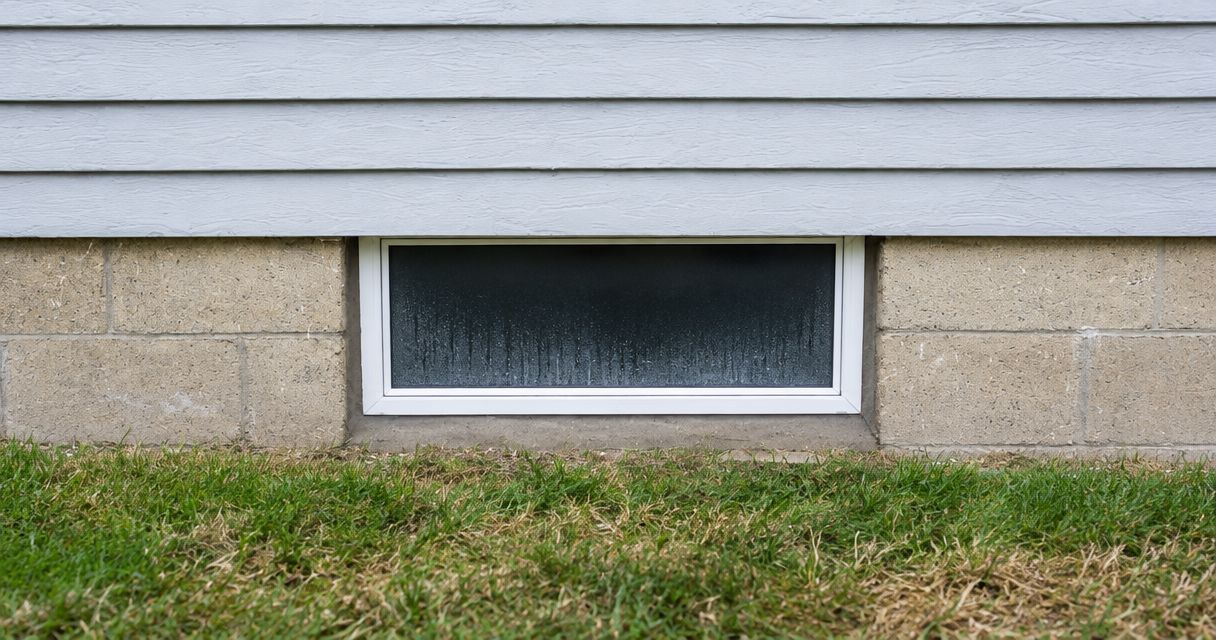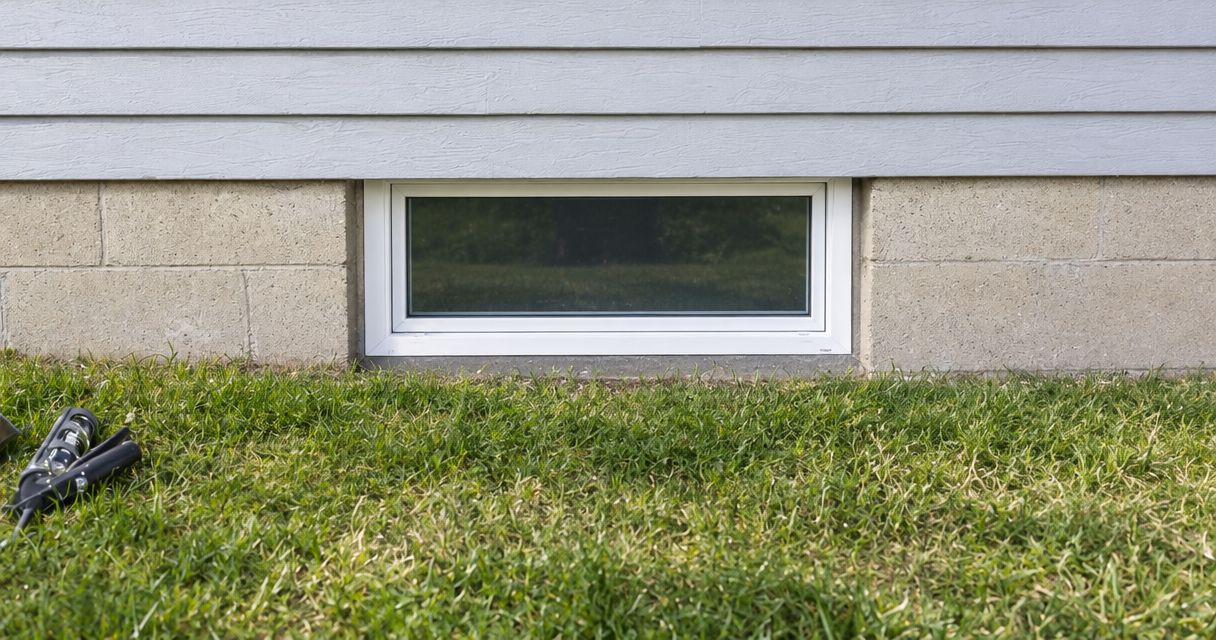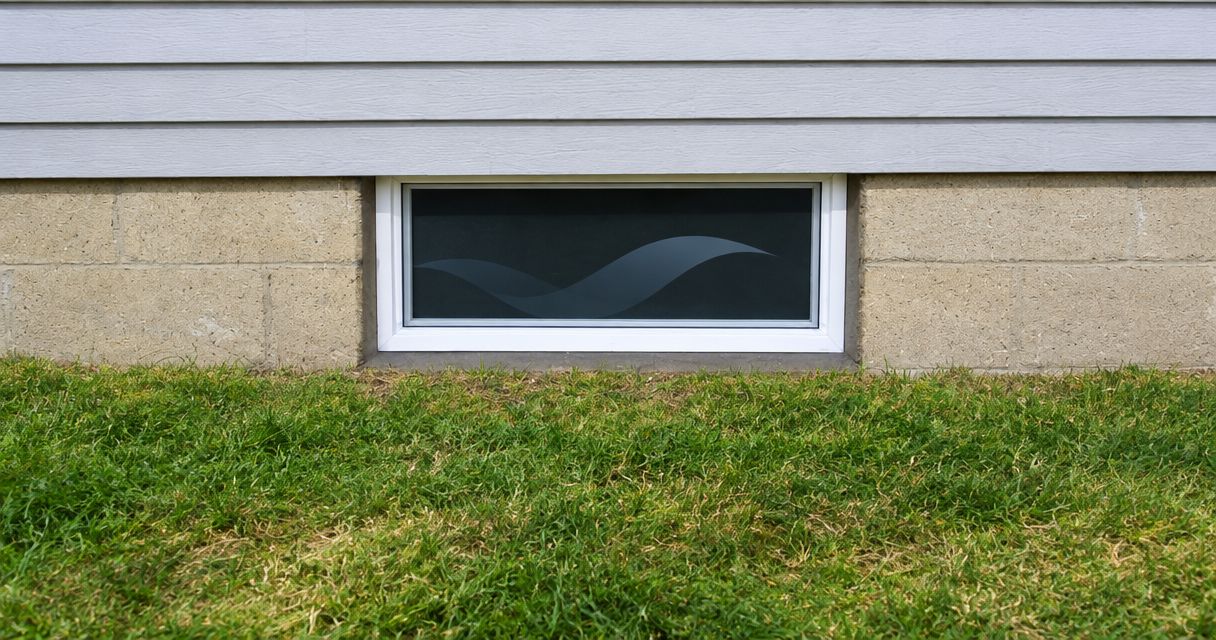
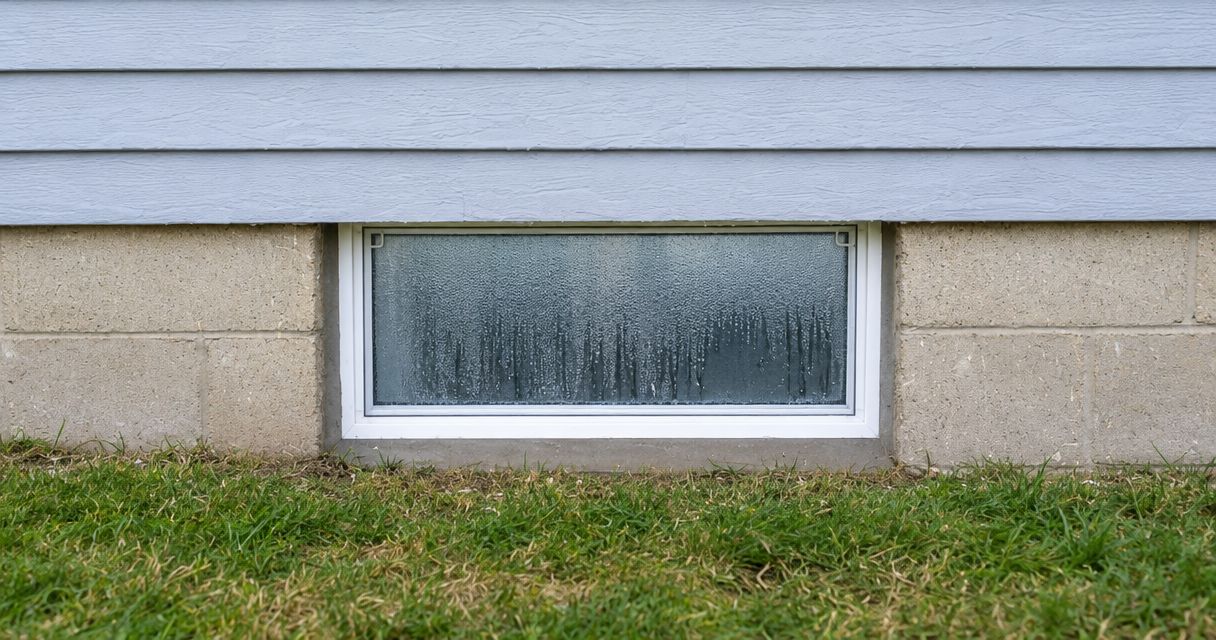
No. Condensation alone does not mean your basement windows need replacement; moisture on the room-facing glass usually calls for a humidity and temperature check, while persistent fog trapped between panes points to a problem with the sealed glass unit. Water entering around the frame is a different issue and needs an inspection of the window, opening, and surrounding drainage before you choose a repair or replacement.
- Basement window replacement condensation checks start with location: room-facing glass, outside glass, or between panes.
- Surface condensation alone does not prove a window has failed; check basement humidity and cold glass first.
- Persistent fog between panes calls for a glass-unit assessment, not an automatic whole-window replacement.
- The Basement Window Guys is best suited to Southern New Hampshire homeowners considering basement window replacement with Andersen windows.
Does condensation mean your basement windows need replacement?
The location of the moisture matters more than the amount of fog. Start by identifying which surface is wet, then look for damage or operating problems. Our guide to signs you need basement window replacement explains what else to check before making a decision.
| Moisture location | What it tells you | Best next step | What it does not prove |
|---|---|---|---|
| Room-facing glass | Indoor moisture is meeting a cold surface | Best for surface droplets: check humidity, airflow, and glass temperature | That the entire window has failed |
| Exterior glass | Outdoor moisture is meeting a cool surface | Best for outside droplets: observe whether they clear as conditions change | That water is entering the basement |
| Between panes | Moisture is inside the sealed glass space | Best for persistent internal fog: have the glass unit assessed | That the frame also needs replacement |
| Around the frame | Water is reaching the window perimeter | Best for perimeter wetness: inspect the window, opening, and drainage | That condensation is the source |
These are different problems. A dehumidifier addresses indoor moisture, but it cannot remove fog from inside a failed sealed glass unit. Likewise, replacing a window does not correct an unrelated drainage problem.
Why this matters
A wet basement window is a symptom, not a complete diagnosis. Replacing the window without finding the moisture source leaves you at risk of paying for work that does not address the problem.
For a 2026 replacement decision, separate comfort concerns from water-entry concerns. Cold glass and indoor humidity call for one investigation; damp trim after rain calls for another. Tell the installer what happens, where it happens, and what the weather was doing.
Moisture on the room-facing glass
Condensation forms when moist air meets a surface cold enough for water vapor to become liquid. Basement windows often provide that cold surface during New Hampshire winter weather. The droplets are visible evidence of those conditions, not proof that replacement is necessary.
Best for room-facing droplets: check indoor moisture before choosing replacement. Wipe the glass dry and watch where the droplets return. Look for moisture on nearby pipes, walls, or other windows as well.
The advantage of starting here is simple: you investigate the cause before committing to construction. The limitation is equally clear. Reducing humidity will not fix a damaged frame, a window that will not close, or a failed sealed glass unit.
Persistent wetness still deserves attention. Dry the sill, inspect the surrounding material, and investigate recurring moisture rather than letting water sit against the frame.
Moisture on the exterior glass
Exterior condensation can form when the outside glass is cooler than the surrounding outdoor air's dew point. It is not the same as a leak. Outside droplets alone do not establish that the window needs replacement.
Best for exterior droplets: observe before replacing. Check whether the room-facing sill stays dry and whether the droplets disappear as outdoor conditions change. Keep those observations separate from any water found inside.
Observation avoids treating normal surface moisture as a failure. Its limit is that it cannot explain dampness hidden around the opening. If the interior frame or surrounding wall gets wet, arrange an inspection rather than dismissing the problem as outdoor condensation.
Fog or moisture between panes
Persistent fog trapped between panes is different from moisture you can wipe away. It indicates a problem with the sealed glass unit and deserves a professional assessment. Cleaning either exposed surface will not reach moisture inside that space.
Best for trapped fog: ask whether the glass unit or the whole window needs replacement. The answer depends on the window's construction, the frame's condition, and the repair options for that particular unit. Do not assume that replacing the entire window is the only answer.
Replacing a failed glass unit addresses that component when the window permits it. It does not correct a deteriorated frame or a poor fit in the foundation opening. Whole-window replacement addresses more of the assembly, but it should follow an explanation of why the existing frame cannot remain.
Why basement window condensation varies
The same window can stay dry on one day and collect droplets on another. These factors explain why a single photograph does not tell the whole story:
- Indoor humidity. More moisture in basement air gives cold surfaces more water vapor to collect.
- Glass temperature. Colder glass makes room-side condensation more likely under otherwise similar conditions.
- Air movement. Restricted airflow near the window changes conditions at the glass compared with the middle of the room.
- Moisture sources. Damp foundation surfaces, laundry, and outdoor air entering the basement can contribute moisture.
- Window condition. A failed sealed glass unit creates a different moisture problem from droplets on an exposed surface.
During your 2026 assessment, record these conditions alongside the visible symptom. A description such as room-side droplets during cold weather is more useful than saying only that the window sweats.
A practical condensation check for 2026
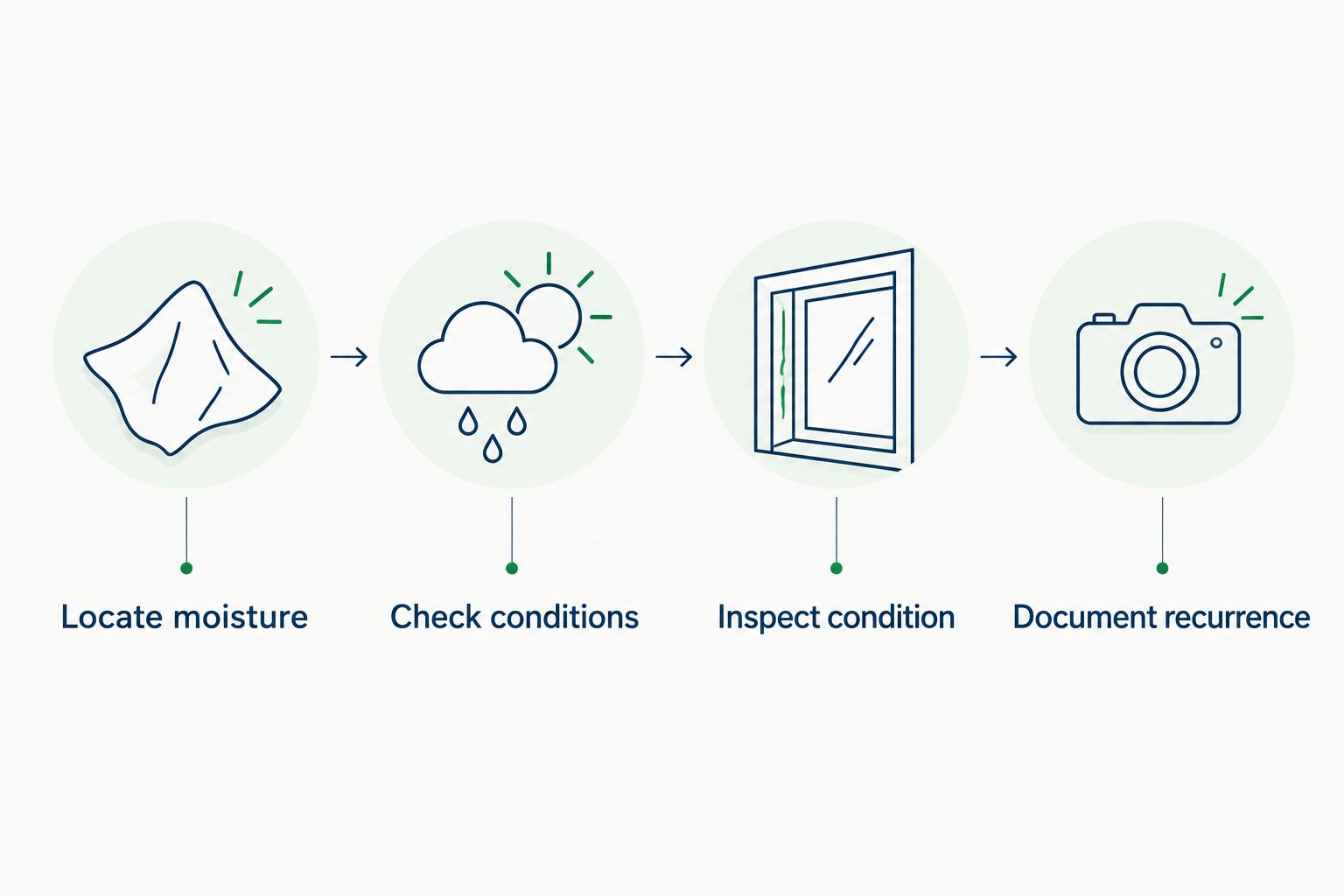
Use these 4 checks before requesting a replacement quote. You do not need to remove the window or disturb the foundation opening. Leave dismantling and repairs to someone qualified to assess the assembly.
- Locate moisture. Wipe the accessible room-facing glass with a dry cloth. Check the outside surface only where you can reach it safely. If neither action clears the fog, describe it as suspected moisture between panes.
- Check conditions. Note whether the problem appears during cold weather, after rain, or during humid weather. A humidity meter helps you track basement conditions without guessing from how the room feels.
- Inspect condition. Look for damaged trim, corrosion, deteriorated frame material, gaps, or trouble opening and closing the window. Do not force a stuck unit or use this check as a substitute for an inspection.
- Document recurrence. Take 2 photographs: one close view of the moisture and one wider view of the window and surrounding wall. Keep notes about when the wetness returns after drying.
These observations help an installer separate a glass problem from a frame problem or a basement moisture problem. They also give you a clear record if the window happens to be dry during the visit.
When is basement window replacement the right next step?
Replacement deserves consideration when the window has damage or operating problems beyond surface condensation. A deteriorated frame, a unit that cannot close properly, or a failed glass assembly needs a closer assessment. The recommendation should identify the defective part and explain why repair is or is not practical.
Ask what replacement will fix and what it will leave unchanged. A new window does not stop groundwater entering elsewhere through a foundation. It also does not remove moisture generated inside the basement.
For your 2026 quote, ask the installer to distinguish window work from any separate drainage or foundation work. That keeps the scope clear and prevents condensation from becoming a catch-all explanation for every damp area near the opening.
Will a dehumidifier stop basement window condensation?
A dehumidifier can reduce room-side condensation by lowering moisture in basement air. It cannot repair a failed glass seal or stop rainwater entering around an opening. Use it to manage indoor conditions, not to explain away visible damage.
Best for excess indoor humidity: moisture control, followed by observation. The benefit is that you address the air surrounding the window. The limitation is that cold glass or a separate defect can still require attention.
If droplets return despite changes in basement conditions, have the window and surrounding opening assessed. Avoid assuming that more dehumidification is always the answer.
Does water after rain mean the window is leaking?
Water appearing after rain calls for a water-entry inspection, not an automatic condensation diagnosis. The source can involve the window, its perimeter, the foundation opening, or drainage outside. Timing is a clue, but it does not identify the failed component by itself.
Photograph the first wet area you notice. Tell the installer whether water appears on the glass, along the frame, on the sill, or on the wall below. That distinction helps keep the assessment focused.
What should a replacement quote explain?
A useful quote starts with the problem being addressed. It should identify the proposed window, describe the installation work, and explain how the existing opening affects that work. Ask what preparation, removal, finishing, and cleanup the quoted scope includes rather than assuming those details.
The Basement Window Guys provides basement window replacement and installation using Andersen windows for homeowners in Southern New Hampshire. For homeowners in Plaistow, Salem, and Derry, that service is relevant when an assessment points to a window problem rather than indoor humidity alone.
Andersen window selection does not replace a moisture diagnosis. Ask which window is proposed, why it fits your opening, and what the installation addresses. No window choice should be presented as a cure for unrelated basement moisture.
You can ask The Basement Window Guys for a clear, free quote. There is no pressure and no obligation.
Request a clear, free quote
Discuss basement window replacement in Southern New Hampshire. No pressure and no obligation.
FAQ
Does condensation always mean my basement window needs replacement?
No. Condensation on an exposed glass surface does not prove the window has failed. Locate the moisture and check the frame, window operation, and basement conditions before choosing replacement.
How can I tell whether fog is between the panes?
Fog that remains after both accessible glass surfaces are wiped suggests moisture between panes. Have the sealed glass unit assessed rather than assuming the entire window must be replaced.
Can new basement windows still get condensation?
Yes. New windows can still develop surface condensation when moist air meets sufficiently cold glass. Replacement does not eliminate the need to manage basement moisture.
Should I replace a window that gets wet only in winter?
Winter condensation alone is not a reason to replace a basement window. Check whether the moisture is on the room-facing surface, then assess humidity, airflow, and the window's condition.
Will basement window replacement fix water coming in after rain?
Replacement fixes rainwater entry only when the work addresses its actual source. Water entering through surrounding foundation or drainage problems needs a separate assessment.
What should I bring to a basement window quote visit in 2026?
Bring photographs and notes showing where moisture appears and when it returns. Include any trouble opening or closing the window and any wetness after rain.
Who offers Andersen basement window replacement in Southern New Hampshire?
The Basement Window Guys provides basement window replacement and installation using Andersen windows for Southern New Hampshire homeowners. Request a clear, free quote with no pressure and no obligation.
One last thing
A dry window on inspection day does not cancel a recurring moisture problem. Conditions change, and condensation can disappear before anyone arrives. Your photographs and notes preserve the evidence.
Before you agree to replacement, ask one plain question: what is causing the moisture, and how does the proposed work address it? A clear answer is more useful than a promise that new windows will fix everything.